Proudly serving Phoenix, Glendale, Scottsdale, Tempe, Mesa, Chandler & surrounding areasCall or Text 24/7: 480-243-9053

Gas, Electric & Convection Oven Repair, Diagnostics & Heating System Maintenance in Phoenix, AZ

Phoenix Appliance Repair Co. repairs gas, electric, convection, and self-cleaning ovens for homes and businesses across Phoenix. We diagnose no-heat problems, failed igniters and elements, thermostat drift, control-board faults, and damaged door hardware. Our appliance service also covers stoves and ranges, refrigerators, freezers, dishwashers, washers, dryers, microwaves, ice makers, and garbage disposals throughout the valley.

When Phoenix highs push past 110 degrees for weeks at a time, sustained kitchen heat can add stress to oven igniters, thermostats, heating elements, and controls. Our licensed appliance technicians use manufacturer service manuals and calibrated multimeters to test components against factory specifications instead of guessing. We explain the diagnosis and provide a straightforward quote before any work begins.

Routes cover Arcadia, Ahwatukee, and Paradise Valley, and stocked service vehicles carry common igniters, elements, thermostats, and door hardware so many repairs finish on the first visit.

Phoenix Appliance Repair Co. provides oven repair across Phoenix, Scottsdale, Tempe, Mesa, Chandler, Glendale, and the surrounding metro area.

★ ★ ★ ★ ★4.9/5 Average Rating · 20+ Years of Experience · Thousands of Customers Helped · Licensed & Insured · Residential & Commercial

Oven Repair Options & Benefits

What Does Oven Repair Include?

Oven repair begins by identifying the failed component rather than replacing parts on assumption. The inspection covers the heating system, controls, sensors, wiring, and door hardware according to the oven type and reported symptoms.

Electric-oven diagnosis focuses on bake and broil elements, relay boards, wire harness connectors, thermostats, and sensors. Gas-oven diagnosis covers igniters, burner orifices, safety valves, and gas connections.

After component testing, we explain what failed, separate parts from labor on the quote, and discuss whether repair or replacement makes better financial sense. Approved repairs are completed with genuine OEM or UL-listed equivalent parts.

Benefits of Professional Oven Repair

A methodical repair restores the function that actually failed while checking the systems that affect temperature accuracy, safe operation, and door closure.

  • Component testing against manufacturer resistance and voltage specifications
  • Temperature verification with an independent probe thermometer
  • Genuine OEM or UL-listed equivalent replacement parts
  • Gas-leak checks with a combustible gas detector on gas ovens
  • Door-seal, hinge, spring, and latch checks for heat loss
  • Targeted repairs that avoid replacing working components
  • Stocked service vehicles for many first-visit repairs
  • Straightforward repair-versus-replacement guidance
Phoenix Oven Services

Oven Repair Services

We repair the heating, ignition, temperature-control, electrical, airflow, and door components found in residential and commercial ovens throughout Phoenix.

Electric Oven Repair

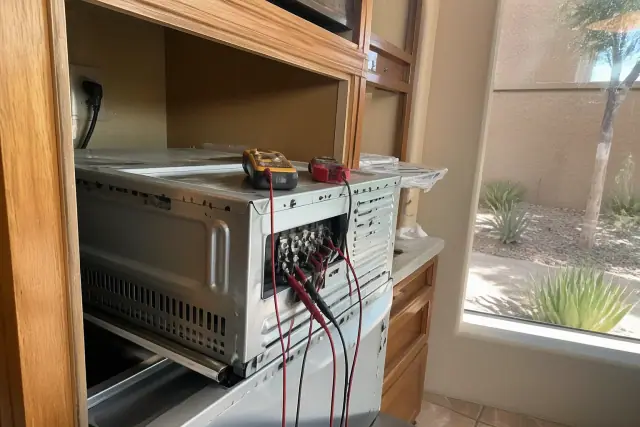
A technician repairing an electric oven with exposed wiring and a multimeter in a Phoenix, AZ kitchen.

We diagnose failed bake and broil elements, relay-board faults, oxidized wire harness connectors, thermostats, and sensors. Multimeter readings are compared with manufacturer specifications before a part is replaced.

Request Estimate

Gas Oven Repair

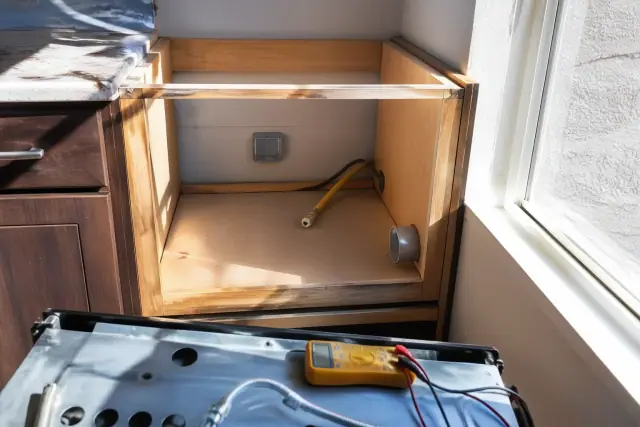
Technician repairing a gas oven in a wooden cabinet cutout with a multimeter and gas line visible in Phoenix, AZ.

Weak glow-bar igniters, clogged burner orifices, and faulty safety valves can stop gas flow or prevent reliable heating. We test the ignition and burner sequence and check gas connections before completing the repair.

Request Estimate

Temperature Control Repair

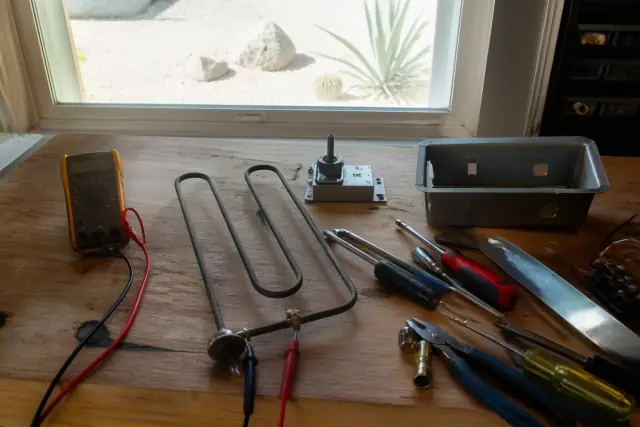
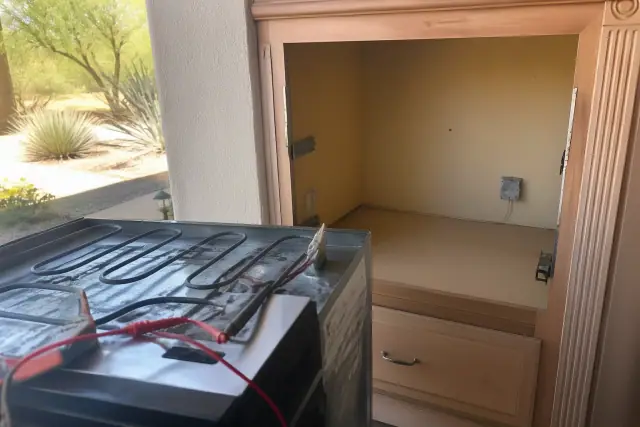
Multimeter connected to an oven heating element during a repair on a wooden workbench in Phoenix, AZ.

An oven that runs too hot, too cool, or drifts during baking may have a miscalibrated thermostat or failing temperature sensor. We recalibrate or replace the affected component and verify the cavity temperature with an independent probe.

Request Estimate

Door, Seal & Latch Repair

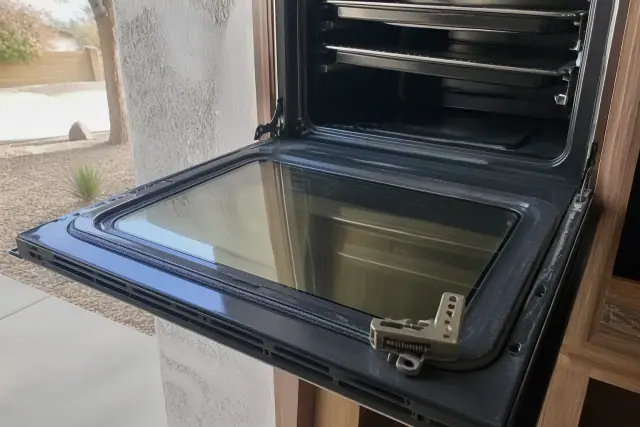
Oven door with a new seal and detached latch mechanism being repaired at a home in Phoenix, AZ.

Worn gaskets, weak springs, damaged hinges, and faulty latches let heat escape and extend cooking cycles. We inspect door alignment and repair the hardware needed for the oven to seal and close correctly.

Request Estimate

Control Board & Wiring Repair

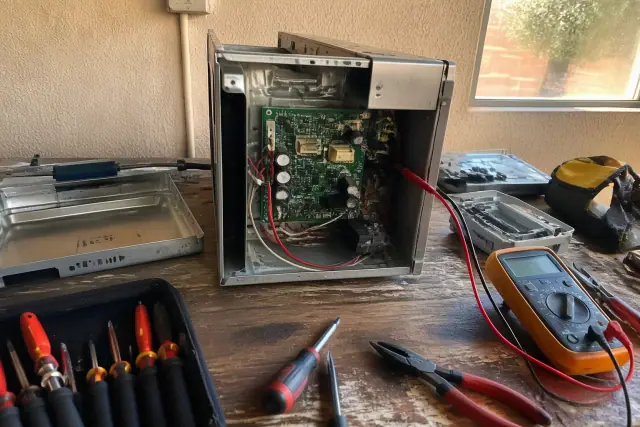
A technician repairing an oven control board on a workbench in Phoenix, AZ.

Heat cycling and desert dust can affect control-board relays, connectors, and wiring behind the control panel. We isolate the failed circuit and secure electrical connections to the applicable standards.

Request Estimate

Convection & Self-Cleaning Repair

Oven heating element repair in progress inside a kitchen cabinet cutout in Phoenix, AZ.

We troubleshoot convection fan motors, secondary elements, self-clean door-lock assemblies, and thermal fuses. Separate testing helps distinguish an airflow problem from a primary heating-circuit failure.

Request Estimate
Oven Types & Components

Repair Options for Different Ovens

Fuel type, cooking technology, and oven configuration determine which components and safety checks matter most. Our diagnosis follows the equipment design and the symptoms found during testing.

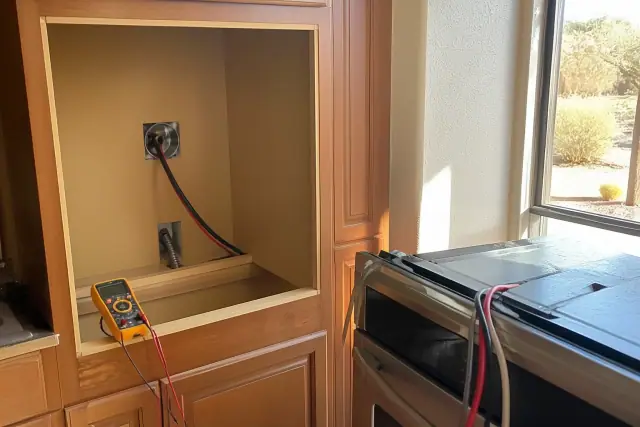
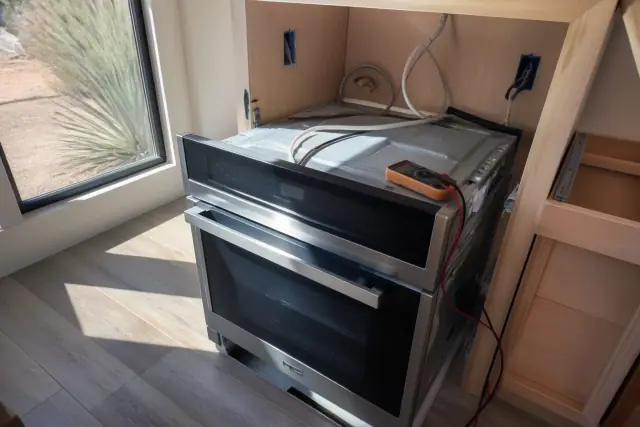
Electric oven installation in a cabinet cutout with wiring and a multimeter at a home in Phoenix, AZ.

Electric Ovens

Electric ovens use separate heating and control circuits that can fail independently. Testing traces the problem from the element through its relay, wiring, sensor, and power connection.

  • Bake-element resistance testing
  • Broil-element continuity testing
  • Relay-board output checks
  • Wire harness and connector inspection
  • 240-volt connection evaluation
Request Estimate
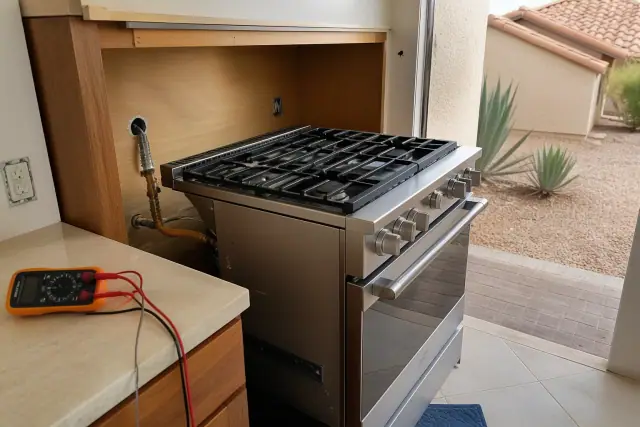
A gas oven being installed in a kitchen cabinet with a multimeter nearby in Phoenix, AZ.

Gas Ovens & Ranges

Gas-oven service centers on the ignition sequence, burner assembly, safety valve, and connections. Each stage is checked before gas-flow components are replaced.

  • Glow-bar igniter testing
  • Safety-valve evaluation
  • Burner-orifice inspection
  • NFPA 54 connection practices
  • Corrosion checks near gas fittings
Request Estimate
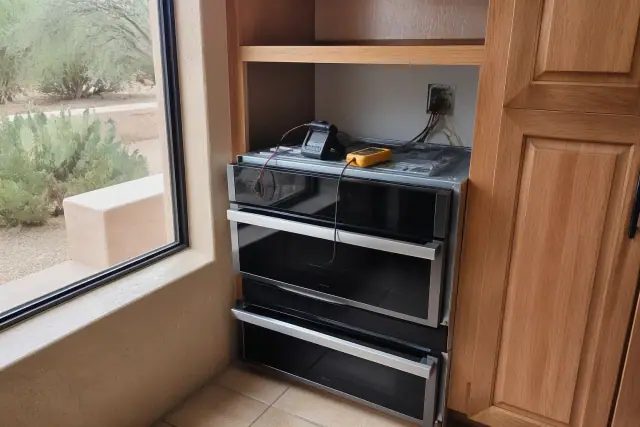
Convection oven being installed in a kitchen cabinet in Phoenix, AZ with tools and exposed wiring visible.

Convection Ovens

Convection ovens add a secondary fan and element to circulate heated air. A failed fan motor or secondary element can lengthen bake times and cause inconsistent browning even when the primary bake circuit still heats.

  • Convection fan-motor checks
  • Secondary-element resistance tests
  • Airflow and fan-speed evaluation
  • Uneven-browning diagnosis
  • Primary-circuit comparison
Request Estimate
Technician repairing a self-cleaning oven in a Phoenix, AZ kitchen with a multimeter and wiring visible.

Self-Cleaning Ovens

Self-cleaning cycles often run above 800 degrees Fahrenheit, placing intense heat on lock motors, thermal fuses, latches, and nearby controls. We test the safety components tied to that cycle before recommending a repair.

  • Door-lock motor testing
  • Thermal-fuse continuity checks
  • Latch and hinge inspection
  • Post-cycle no-heat diagnosis
  • Heat-stressed control evaluation
Request Estimate
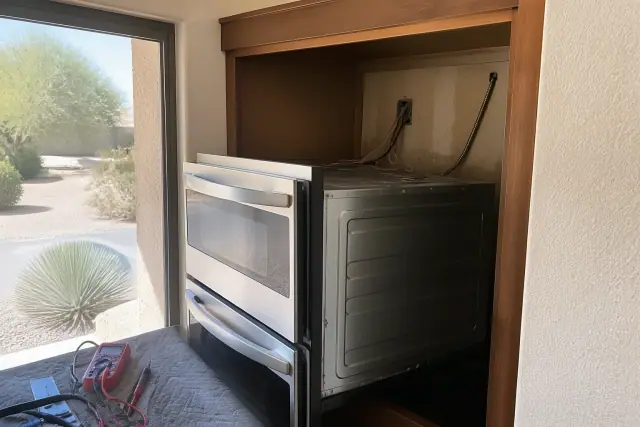
Double ovens partially installed in a kitchen cabinet with repair tools nearby in Phoenix, AZ.

Major-Brand & Double Ovens

We service ovens from the major manufacturers commonly installed across the Phoenix market. Double ovens require isolating the affected circuit because two cavities may use separate elements, sensors, fans, and controls.

  • Single- and double-oven diagnosis
  • Independent cavity testing
  • Bake and broil circuit checks
  • Common door-hardware replacement
  • Residential and commercial service
Request Estimate
Finding the Failed Component

Choosing the Right Oven Repair Approach

The right approach depends on the fuel type, symptoms, tested readings, oven age, and cost of the failed component. We compare each reading with factory specifications, then explain whether a targeted repair remains sensible or replacement offers better value.

Calibrated Component Testing

Manufacturer service manuals, calibrated multimeters, and an independent probe thermometer turn symptoms into measurable findings. This helps avoid replacing parts that are still operating within specification.

Code-Conscious Safety Checks

Gas connections follow NFPA 54 practices, and valve testing references ANSI Z21.1 appliance standards. Electrical connections are secured to National Electrical Code standards followed throughout Maricopa County, while altered gas connections may involve City of Phoenix Development Services Department requirements.

Qualified Local Technicians

Licensed appliance technicians with credentials recognized by the Professional Service Association run daily routes from downtown Phoenix and the Biltmore corridor to Desert Ridge and the East Valley. Their vehicles carry common oven parts and the diagnostic tools needed for on-site work.

Oven Warning Signs

Common Oven Problems We Diagnose

No heat, inaccurate temperatures, uneven browning, control errors, door problems, and failed cleaning cycles can come from different components. Testing the full operating sequence identifies the cause before repair work begins.

Request Oven Diagnosis

Oven Won't Turn On

An electric oven may have an open heating circuit, relay failure, or damaged connection, while a gas oven may be stopped by a weak igniter or safety valve. We test the complete heat-start sequence to find where it ends.

Incorrect Oven Temperature

A display set to 350 can mask a cavity that is actually baking at 300 or 400. Thermostat calibration and temperature-sensor testing reveal whether adjustment or component replacement is needed.

Uneven Baking

Inconsistent browning can trace to a failed convection fan, secondary element, temperature sensor, or leaking door seal. Each source affects heat distribution differently and requires a separate check.

Control Board & Relay Faults

Repeated heat cycling can wear bake or broil relays, while fine desert dust may collect behind the control panel in homes near open desert lots. We inspect board outputs and connected harnesses before identifying a failed control.

Door Heat Loss

Worn gaskets, weak springs, bent hinges, or a faulty latch can keep the door from sealing. Escaping heat makes cycles run longer and often contributes to uneven results and higher energy use.

Self-Clean Cycle Failure

Repeated high-heat cleaning cycles can damage a door-lock assembly or open a thermal fuse. The oven may remain locked, refuse to heat, or stop the cleaning sequence until the failed safety component is repaired.

How It Works

Our Oven Repair Process

The service process moves from symptoms to measured component results, a clear quote, an approved repair, and final performance checks. Each step is designed to confirm both heating operation and safe closure or connection.

01.

Describe the Symptoms

Tell us whether the oven will not start, heats unevenly, misses the selected temperature, shows a control problem, or has damaged door hardware so the visit can begin with the right diagnostic path.

02.

Inspect the Oven

The technician checks the igniter or heating element, thermostat and sensor readings, door seal and hinges, controls, and the brand-specific diagnostic sequence.

03.

Test Each Component

A multimeter measures resistance and voltage against manufacturer specifications. Gas units also receive ignition, fitting, and safety-valve checks appropriate to the reported fault.

04.

Review Findings & Quote

We explain the failed component, separate parts and labor, and provide the job price before starting work. If replacement is the more sensible choice, we say so directly.

05.

Complete the Repair

The failed component is replaced with a genuine or UL-listed equivalent part. Gas fittings are torqued to code, and electrical connections are secured to applicable standards.

06.

Verify Heat & Safety

We run a full heat cycle, verify temperature accuracy with an independent probe, use a combustible gas detector on gas units, and confirm that the oven door seals and closes properly.

Schedule Oven Service

Request Phoenix
Oven Repair
Service

Tell us what your oven is doing and request a service appointment. We will test the affected system, explain the findings, and quote the repair before work begins.

Phoenix Oven Help

Oven Repair FAQs

Get direct answers about oven repair costs, common failures, gas and electric diagnosis, repair-versus-replacement decisions, scheduling, and Phoenix service coverage.

Call an Oven Technician

In most cases, yes, especially when the oven is under 10 years old and one component has failed. Phoenix Appliance Repair Co. typically sees repairs between $150 and $400 depending on the part. If a control board and multiple components have failed on an older unit, replacement may be more sensible.

The 50/50 rule favors replacement when a repair exceeds 50 percent of the cost of a comparable new unit and the appliance is already past 50 percent of its expected life. Most ovens are built for roughly 10 to 15 years of service. We use the guideline as part of the estimate rather than pushing a repair that does not make financial sense.

A 7-year-old oven is usually a strong repair candidate because it is often near the midpoint of its expected service life. At that age, failures commonly involve wear components such as igniters, elements, or door seals. Repair is generally recommended unless the control board and multiple components are failing together.

Common faults include failed bake or broil elements, weak gas igniters, miscalibrated thermostats, faulty temperature sensors, control-board problems, and worn door seals or latch springs. Phoenix heat and desert dust can add stress to several of these components. Testing identifies which part is actually responsible.

Standard appliance service calls in the Phoenix market typically run $65 to $120, while common oven repairs average roughly $265 to $288 with parts and labor combined. Simple hinge, door-spring, or oven-light repairs may stay in the low hundreds. The final quote depends on the failed component.

The technician inspects the heating or ignition system, thermostat and sensor, door hardware, wiring, and controls. Components are tested with a multimeter against manufacturer resistance and voltage specifications. A full heat cycle and independent temperature check confirm the result.

Gas-oven diagnosis focuses on the igniter, safety valve, burner assembly, and gas connections. A weak igniter, clogged burner orifice, or valve fault can interrupt the heat sequence. Gas-line work follows NFPA 54 practices, with leak detection performed before the visit is complete.

Electric-oven service checks bake and broil elements, relay boards, thermostats, sensors, wire harness connectors, and power connections. Each circuit is tested before a component is replaced. This separates a failed element from a control or wiring problem.

A failed convection fan motor or secondary element can reduce airflow and create uneven browning or inconsistent bake times. We test fan speed and secondary-element resistance separately from the primary bake circuit. That shows whether the problem is airflow, supplemental heat, or the main heating system.

The extreme heat of a self-cleaning cycle can stress door-lock motors, thermal fuses, latches, and controls. Repeated cycles may leave the oven locked or unable to heat if a safety component fails. Diagnosis should focus on the cleaning-cycle circuit and door hardware.

Yes. Phoenix Appliance Repair Co. prioritizes ovens that stop heating before holidays or events and offers same-day diagnosis when route availability allows. Exact response timing depends on the day's route.

Phoenix Appliance Repair Co. services ovens from the major manufacturers commonly sold in the Phoenix market. Work includes bake elements, control boards, door-latch assemblies, igniters, thermostats, and convection fans for residential and commercial units.

Oven repair is available throughout Phoenix, Scottsdale, Tempe, Mesa, Chandler, Glendale, and the surrounding metro area. Phoenix routes also cover areas such as Arcadia, Ahwatukee, Paradise Valley, downtown Phoenix, the Biltmore corridor, Desert Ridge, and the East Valley.